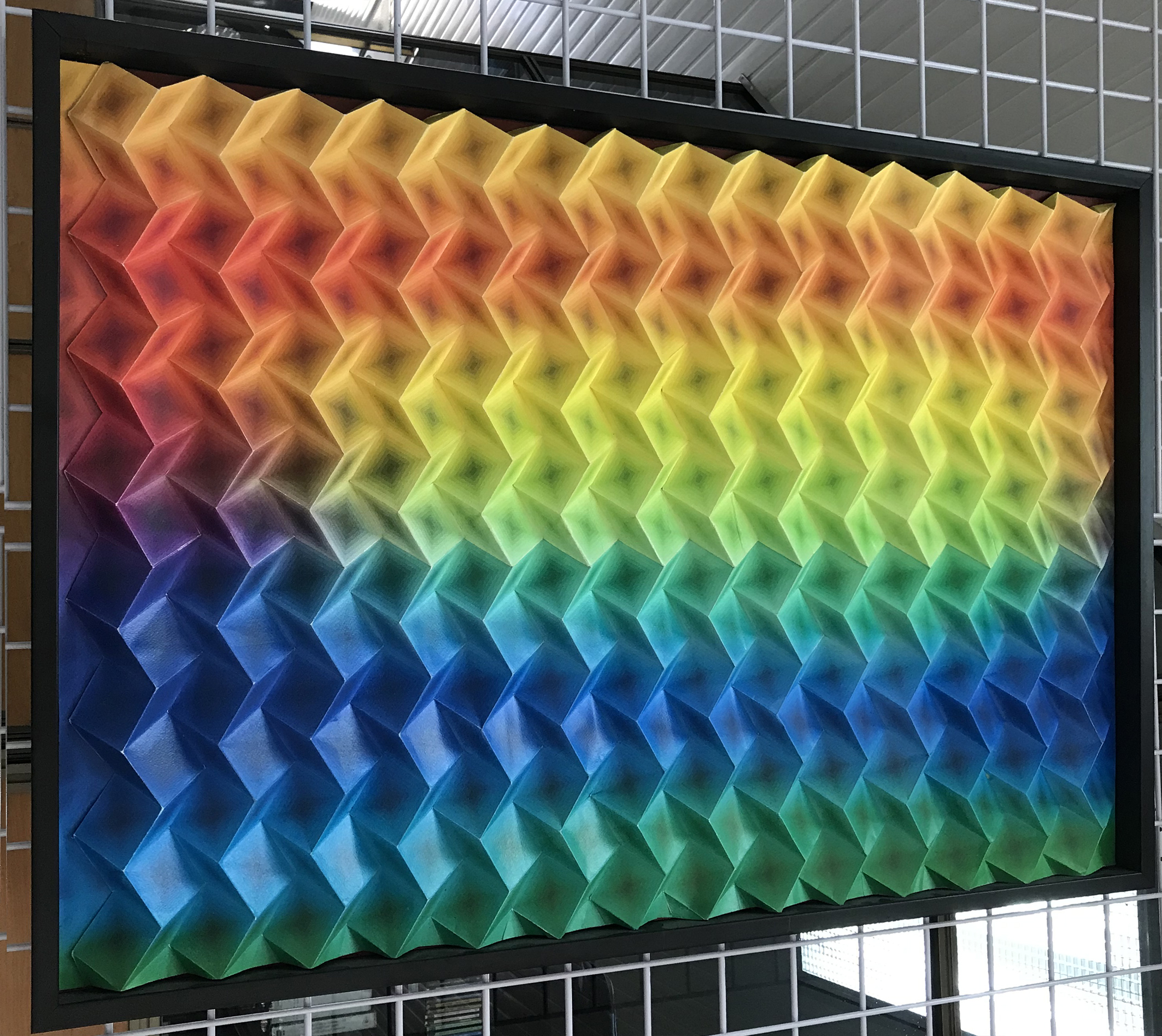
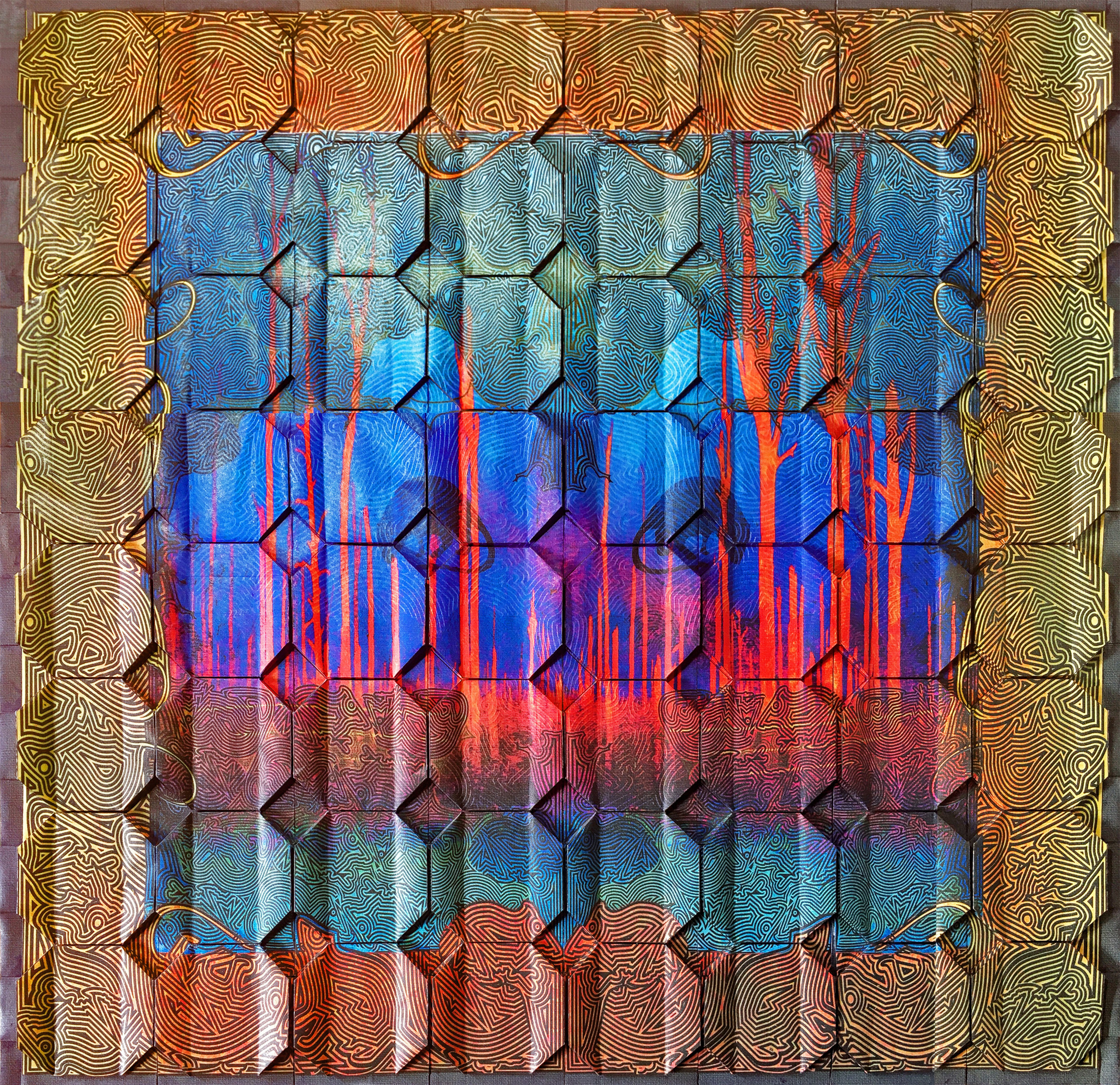
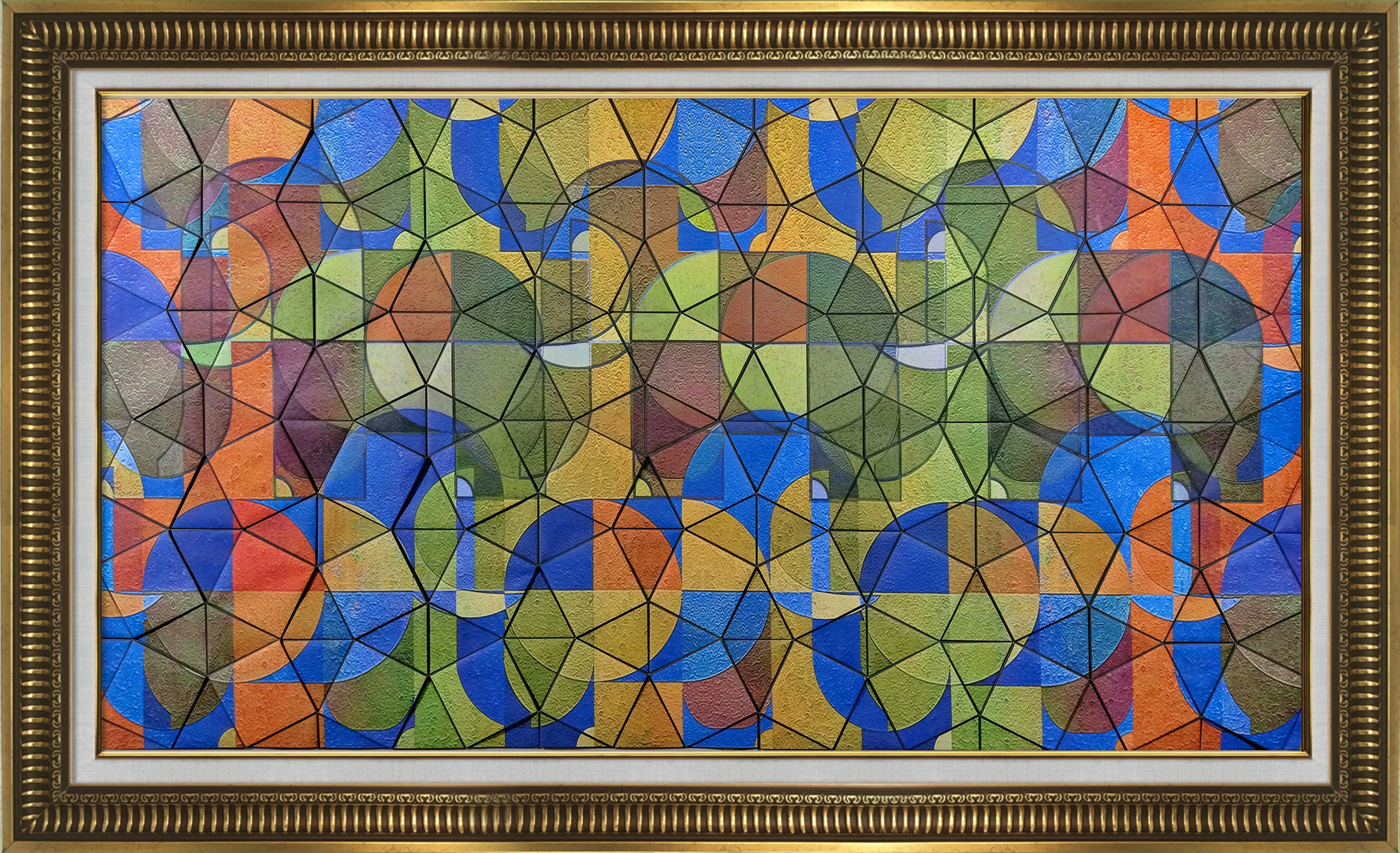
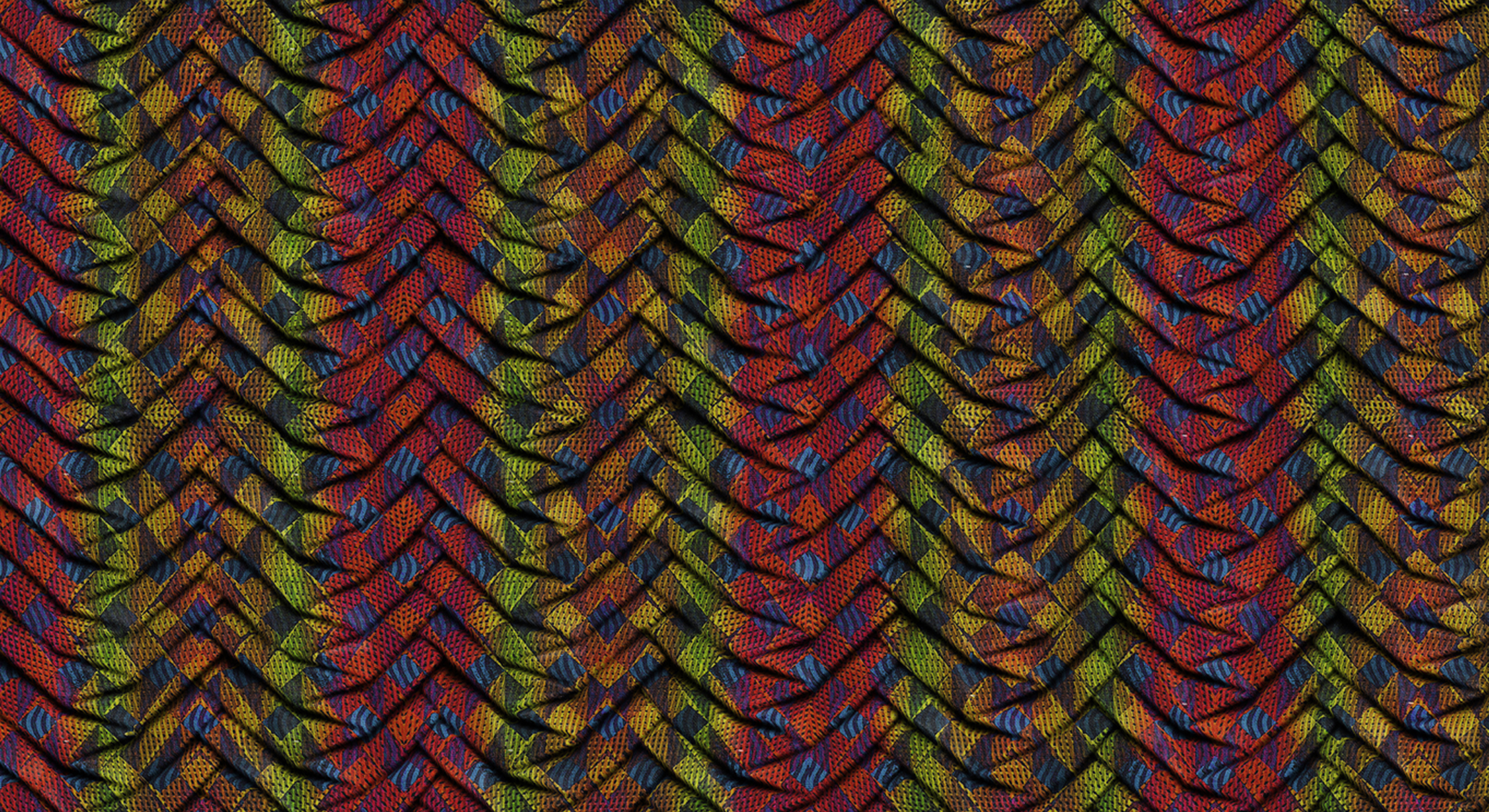
This movement does not aim to pigeonhole styles or make artists abandon their personal expressions.
Gallery of Works — Gustavo Rivera "Gutí"

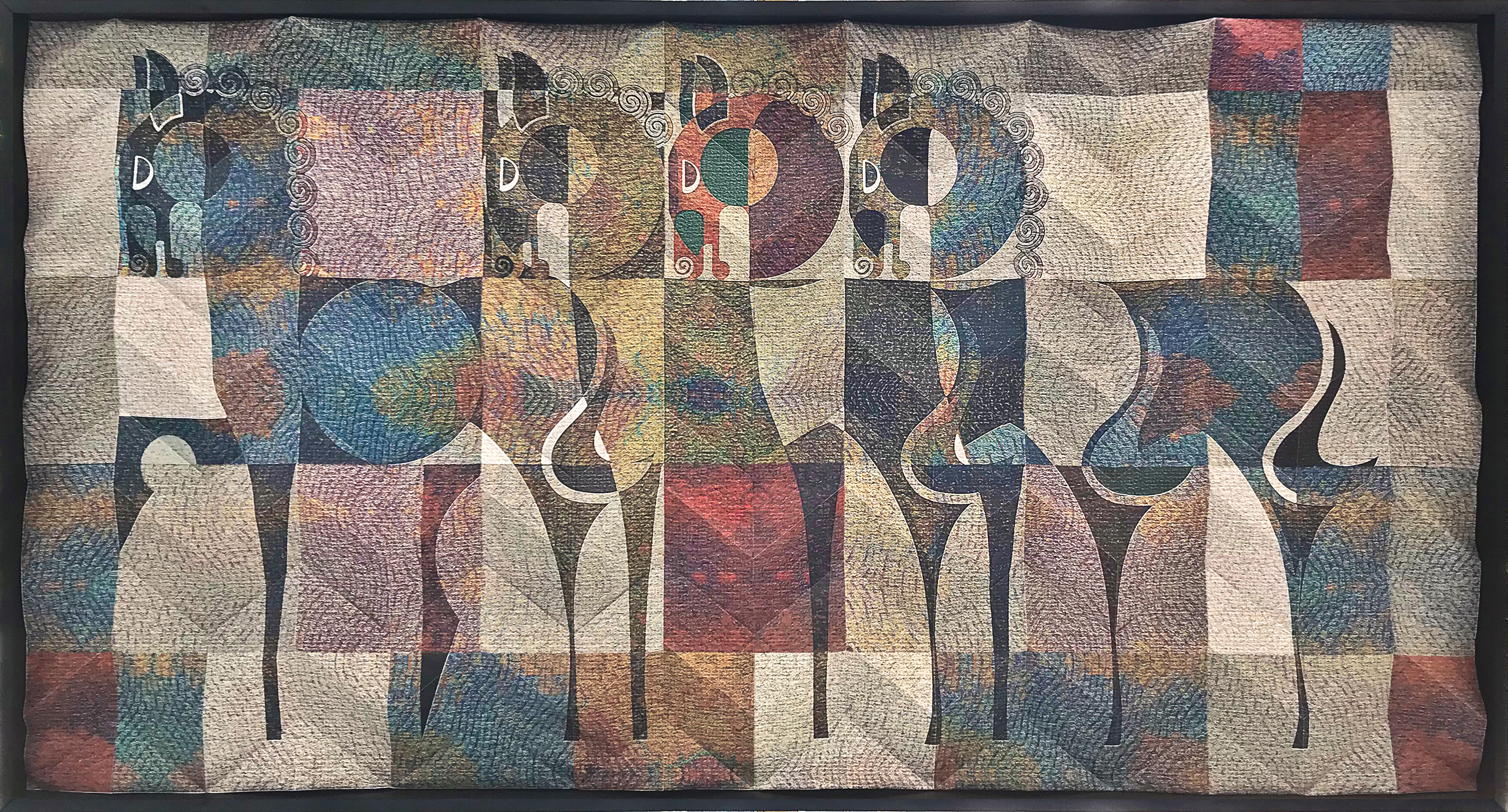
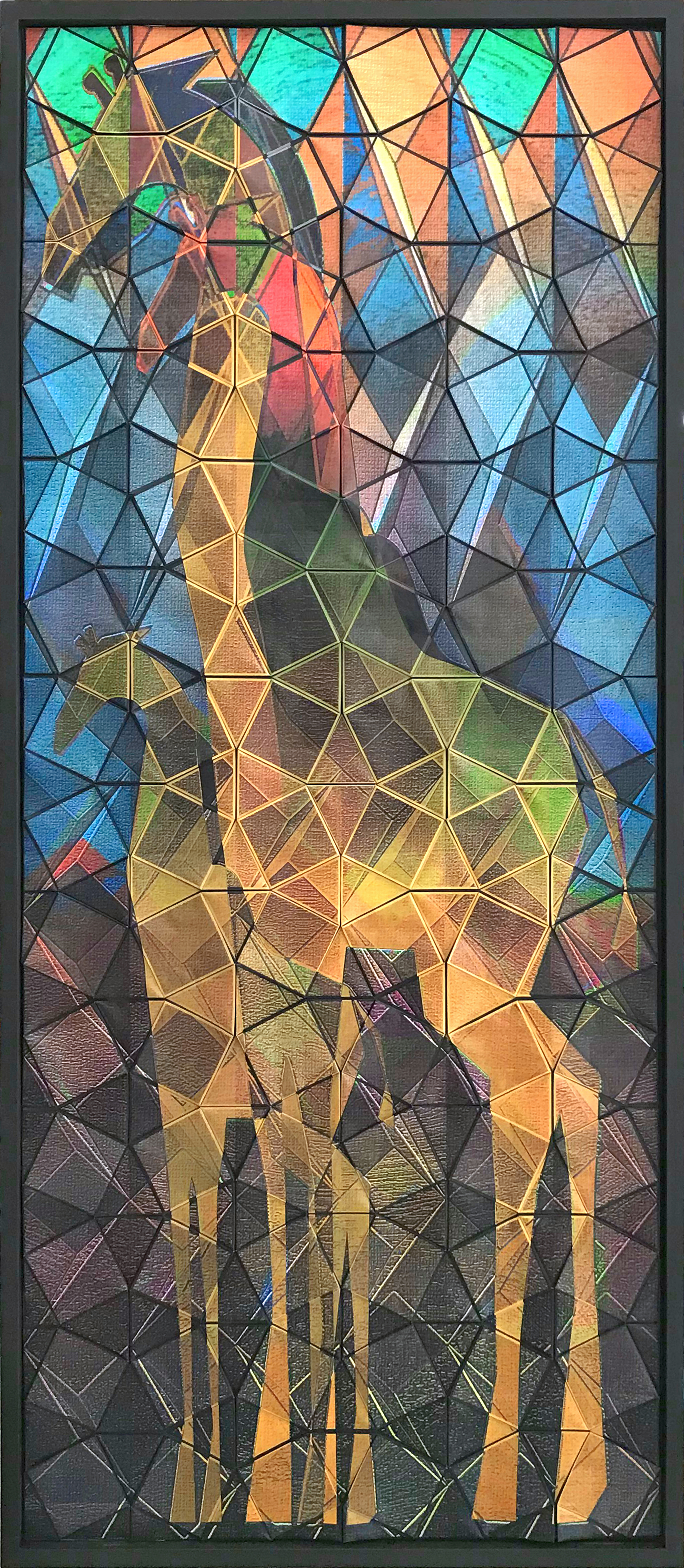
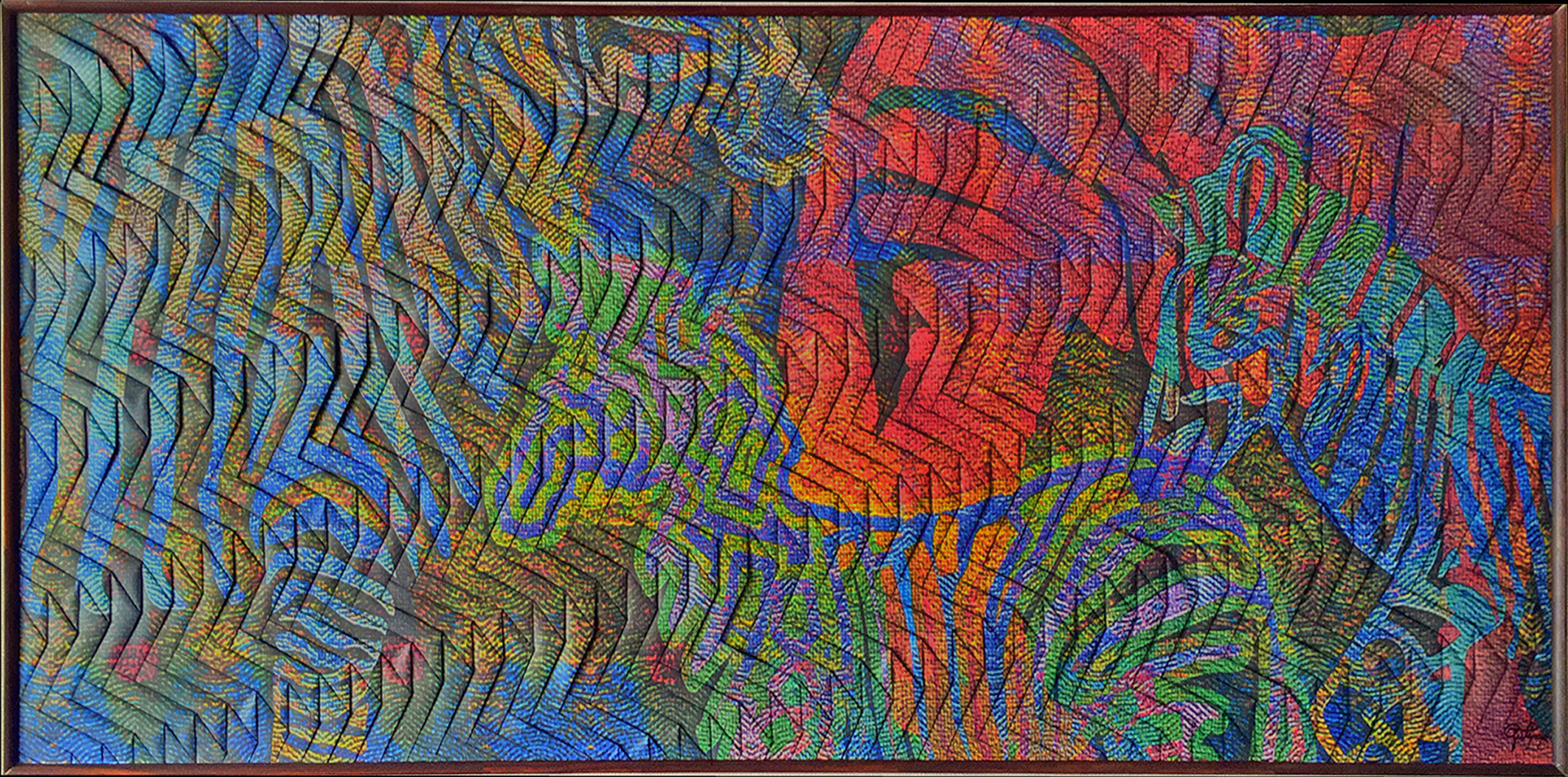
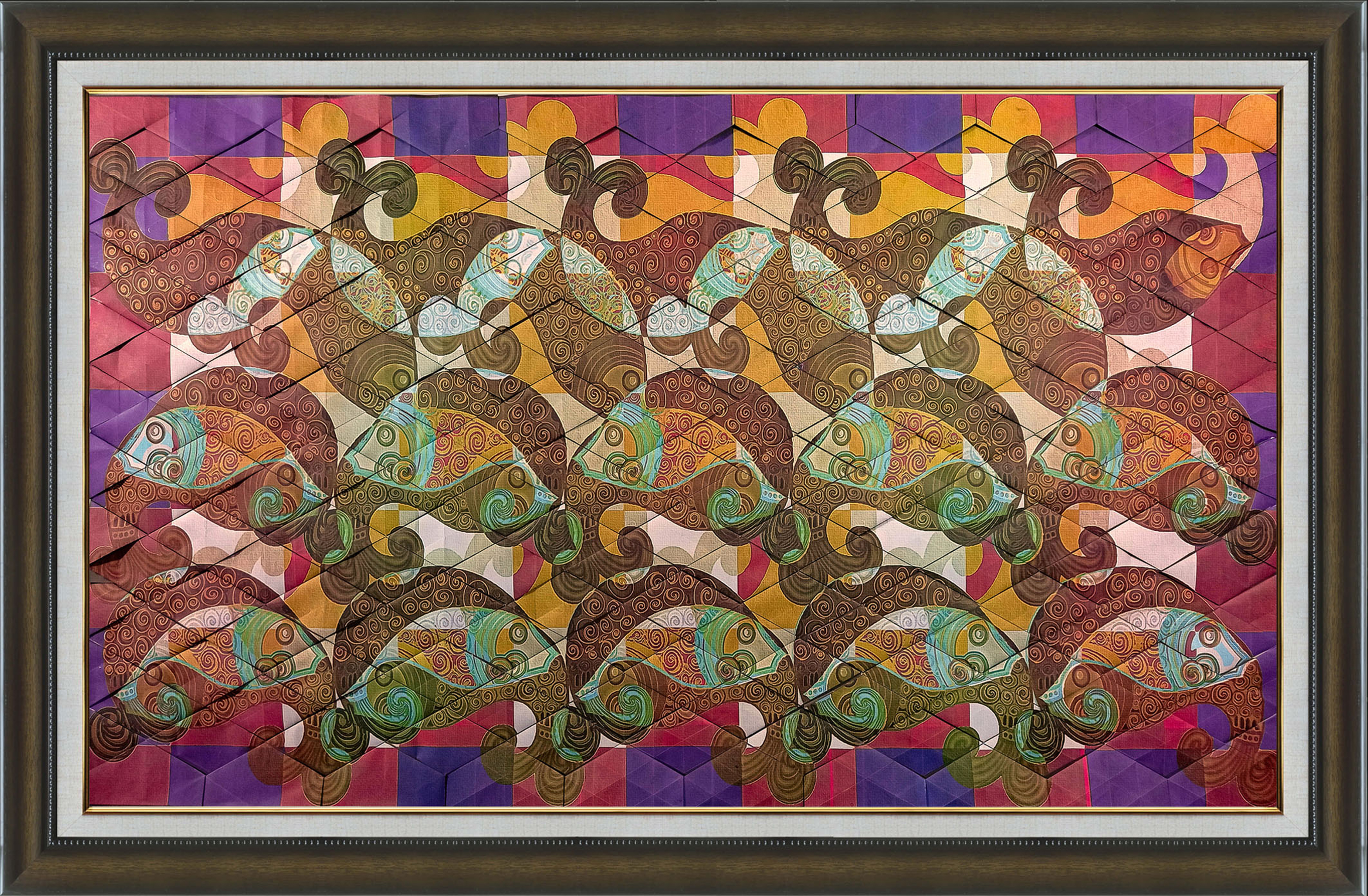
All works in this series are created through the ancient Eastern art of paper folding.
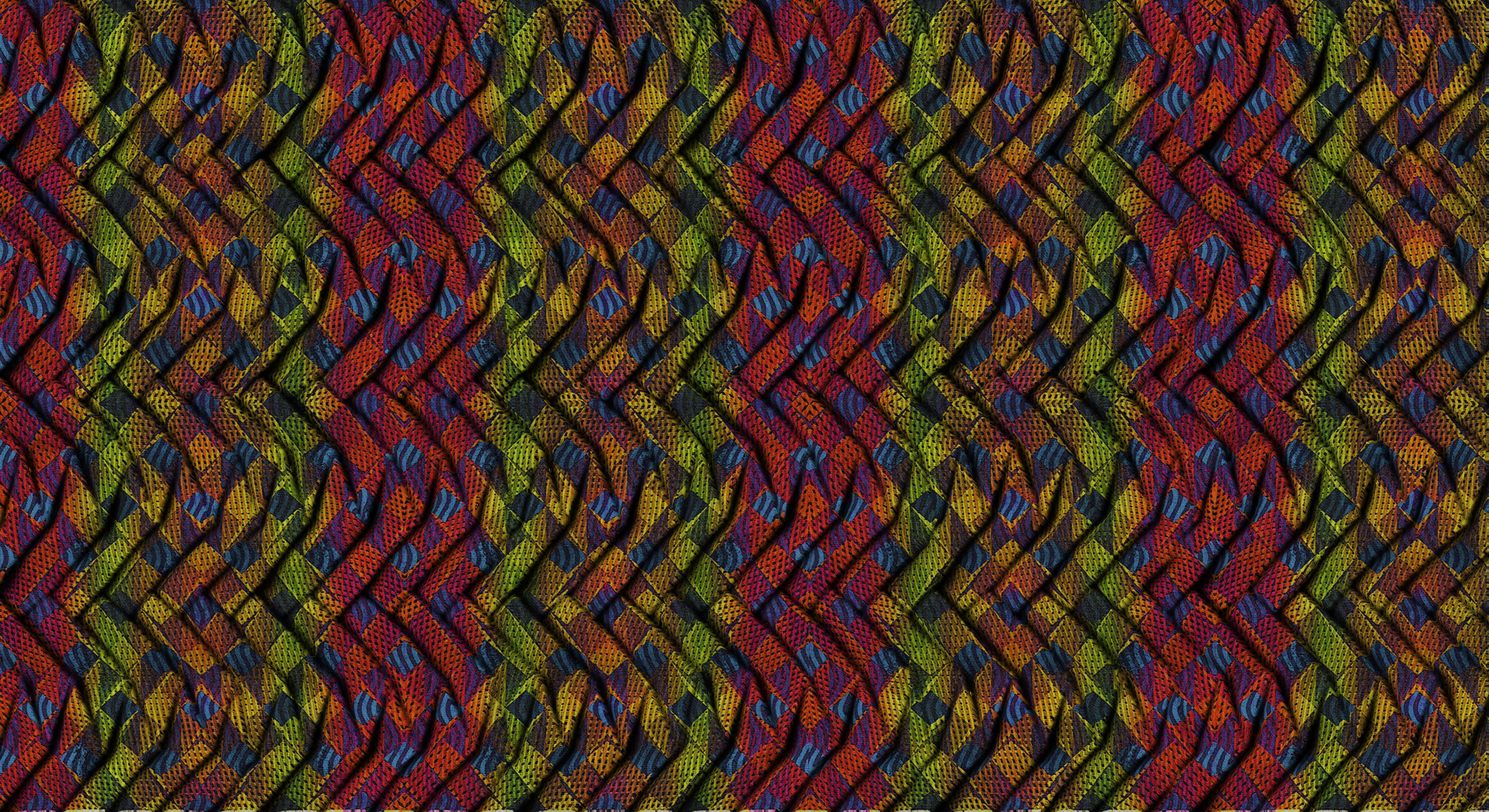
Technique: Intervened Origami Tessellation.
Conceptually, this technique is a hybrid plastic creation between "Stamping" and "Origami Tessellation," synthesizing stereometry (three-dimensional geometry) with chromatic expressiveness. It is an object of active contemplation — a critical reflection on the relationship between art, perception, and sociocultural context that transcends traditional artistic conventions.
Structure: Materials and Procedure
Non-woven interfacing, primed: for large-format works.
Silicone paper (peeled from adhesive vinyls): for small-format works.
Water-based inks, acrylic gel, watercolor pencil.
Before tessellating or folding the structure, the high-intensity chromatic design is stamped onto the extended surface of the material — like a giant "puzzle" — at the precise angle that will coincide with the visible segments of the final tessellation. This design reinforces the optical illusion of depth and movement.
The result is a two-dimensional work that challenges perception: it is neither a flat painting nor a solid sculpture… it is a living tessellation, where form, color, and material converge into a unique sensory experience.